







Search Results for: degree of sweetness and bitterness

The Roast Degree Migration of Home Espresso: From Dark Roast Beginner to Medium-Light Adventurer
Many people start their espresso journey with dark roast beans—rich caramel and dark chocolate, with a prominent, straightforward bitterness that, once combined with milk, becomes almost a liquid dessert. The barrier to entry is low, and it fits the general public's initial idea of coffee. But the world of coffee flavor is far broader than this stretch. As the number of shots pulled increases, many people naturally begin to [more…]
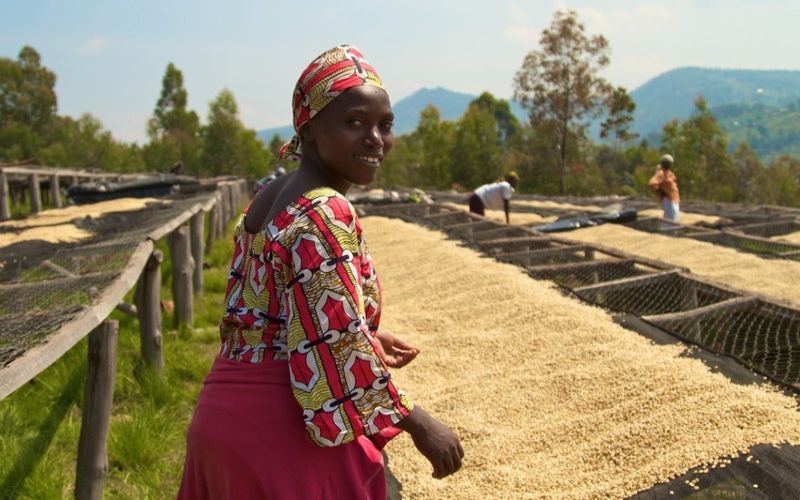
Home espresso machines can also make SOE: adjust parameters by roast level.
A shot of espresso with floral aromas, fruity acidity, or cocoa-like sweetness doesn't have to rely on café equipment to achieve. SOE refers to espresso made from single-origin or single-batch coffee beans, and home semi-automatic machines can give it a try too. As long as the machine's temperature control, pressure, and grinder perform consistently, you can work your way from light roasts to dark roasts and gradually find the right [more…]
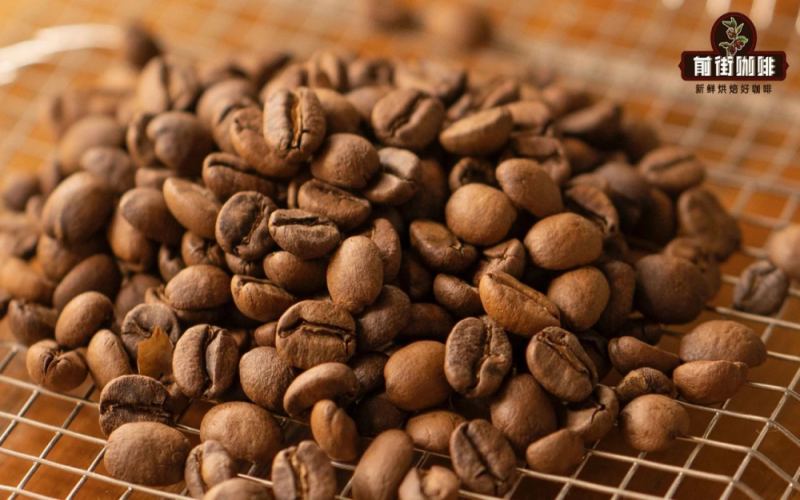
Espresso Blend Recommendations | What Are the Benefits of Blended Coffee? How to Determine the Espresso Brewing Ratio of Coffee Grounds to Water?
Espresso has a thicker texture and richer crema than drip coffee, and making high-quality espresso is inseparable from good espresso beans. Generally speaking, espresso beans are made by blending coffee from several origins to achieve a balanced flavor. Front Street Coffee (FrontStr [more…]

Coffee Roasting | How Is the Roast Level of Coffee Beans Determined? What's the Difference Between Espresso Beans and Pour-Over Beans? Which Tastes Better for Huakui Coffee: Medium Roast or Light Roast?
Many friends who want to learn about coffee bean roasting are curious about one question: how to determine the roasting degree of coffee beans. Should a coffee bean be dark roasted or light roasted, and then how light should light be, and how dark should dark be? On what basis does Front Street Coffee determine the roasting of all these coffee beans it sells? [more…]
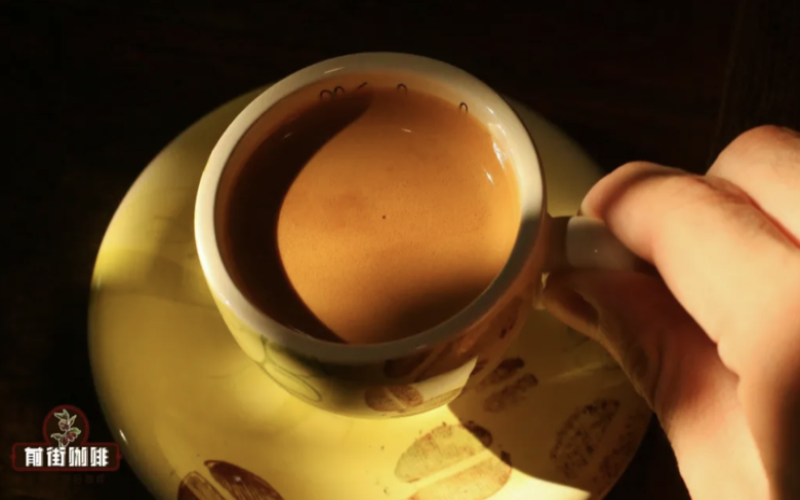
The Japanese Dark Roast School: A Roasting Philosophy That Takes Mouthfeel as Its Faith
In an era when specialty coffee has unmistakably surged toward "light-roast fruit acidity," the Japanese roasting world took the opposite path: roasting beans dark and thorough, pursuing the mellow aesthetics of "sweetness after bitterness." Japanese-style dark roasting is not an accidental product of over-roasting, but a self-consistent philosophical system. Understanding this school will change how you think about what "coffee should [more…]

Coffee Brewing Water Temperature | What water temperature is suitable for drip coffee brewing? How does water temperature affect the extraction process of pour-over coffee?
For more specialty coffee knowledge, please follow: Front Street Coffee (Frontsteet Coffee) Many friends in their daily lives, when brewing pour-over coffee, do not use a thermometer and brew a coffee bean with an approximate water temperature, and then because the taste is different every time, they start to question whether it is the coffee bean. [more…]

Coffee Roast Levels | What Determines Coffee Bean Roast Degree and How Does It Affect Coffee Flavor? What's the Difference Between Dark, Medium, and Light Roasted Coffee Beans?
60% of coffee's flavor comes from green beans, 30% from roasting, and 10% from brewing. It's clear that many factors influence coffee flavor. So, as a roaster, how do you decide the roast level of coffee beans? Today Front Street will talk about determining the roasting style. There are two points to keep in mind—cof [more…]
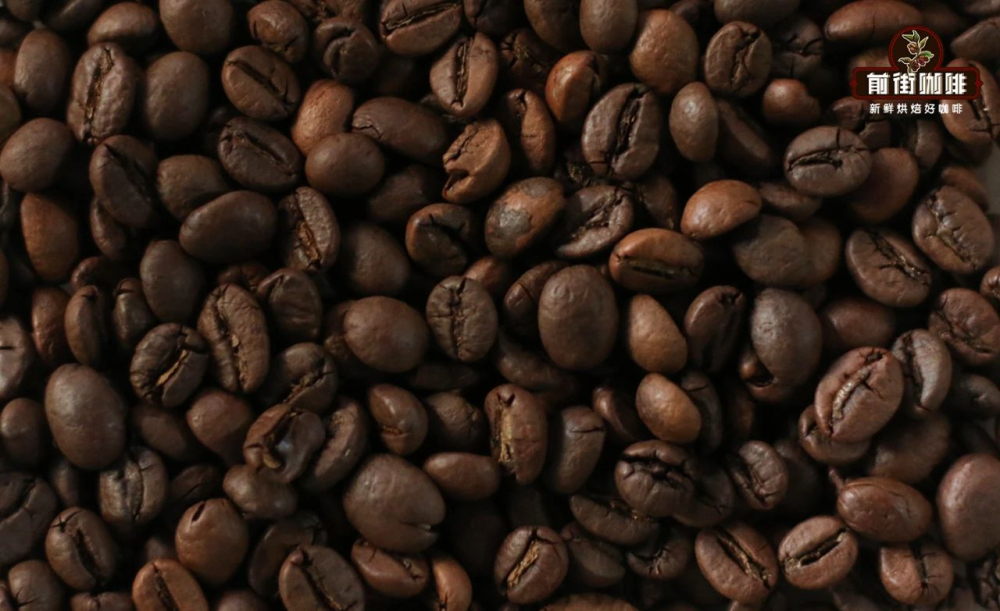
Light Roast Coffee Bean Recommendations | Why Does Green Coffee Need to Be Roasted? How to Tell Light, Medium, and Dark Roasts Apart?
Coffee is a beverage brewed from coffee beans. FrontStreet Coffee believes that what makes coffee special is that the beans must be roasted before they can be used for brewing, and the roasting temperature is as high as over 200 degrees Celsius, far higher than the roasting temperature for nuts. Moreover, [more…]
Flavor Characteristics of Dark Roast Coffee | How Dark Does a Roast Have to Be to Count as Dark Roast Coffee Beans? Which Specialty Dark Roast Coffee Beans Make Good Pour-Over Coffee That Isn't Bitter?
As the third wave of coffee has developed to this day, people have increasingly focused on the so-called "original taste of black coffee." In the process of roasting coffee, there are many factors that affect the flavor and mouthfeel of the coffee, such as the length of roasting time, the roasting method, the degree of roast, and even the amount of coffee beans or the roaster's own experience. [more…]
The degree of roasting of coffee beans is determined based on what?
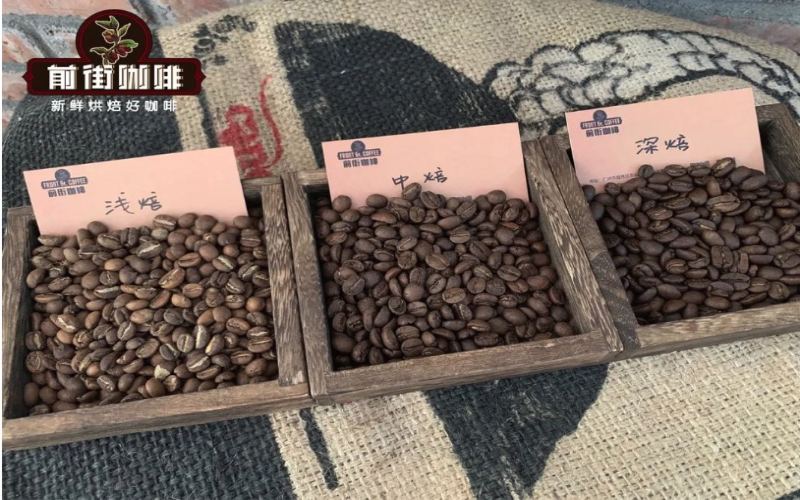
The flavor of coffee, 60% comes from the raw beans, 30% comes from roasting, and 10% comes from brewing. It can be seen that there are many factors affecting the flavor of coffee. Then, as roasters, how to determine the degree of roasting of coffee b [more…]
How Many Cups of Black Coffee Can You Drink in a Day | Is the Caffeine Content of Dark Roast Coffee Beans High? Recommended Specialty Hand-Ground Coffee Beans with Cocoa and Dark Chocolate Flavors
Friends who often drink coffee know that the acidity and bitterness of coffee are related to the degree of roasting. Recently, a friend asked Front Street what delicious dark-roast coffee beans they would recommend. Front Street would first like everyone to understand what degree of roasting means, and then see how to choose the coffee that suits them. What is the degree of roasting? According to Front Street Coffee [more…]
Characteristics of Italian-style blend coffee beans | What coffee beans are suitable for espresso? What are the coffee-to-water ratio, grind size, and water temperature for extracting espresso?
Espresso coffee beans, as the name suggests, are coffee beans specifically used for making Italian-style coffee. What makes these coffee beans different from others? Front Street Coffee has listed a few key differences for everyone! 1. Degree of roasting. Taking the coffee beans of a coffee shop as an example, if the coffee is produced using drip filtration (pour-over), [more…]
The Purpose of Blending Coffee Beans | What Is Blended Coffee (blending coffee)? How Many Single-Origin Coffee Bean Varieties and What Proportions Are Suitable for a Blend?
Many people don't understand how blended beans are formulated. Now Front Street Coffee will guide you through the thinking behind blended coffee beans and how to blend coffee. Reasons and purposes for blending: People blend coffees from different origins together for several different purposes. The most ideal purpose, of course, is to blend a flavor [more…]
From the Blue Mountain coffee era to the Geisha dynasty, how come nowadays coffee beans are all sour?
If you hear someone beside you describing the taste of a cup of drink, "floral, fruity acid, honey sweet, tea charm……" There is no doubt that this is probably describing the flavor of the coffee in his cup. Nowadays, it is hard to know what the "coff [more…]
Coffee Bean Buying Guide | How can coffee beginners find the coffee beans that suit them? What flavor characteristics do coffee beans with different processing methods each have?
Front Street often receives many questions like these: "What beans are suitable for a moka pot?", "What beans are suitable for a coffee machine?", or "What beans are suitable for cold brew?"... Many beginners mistakenly believe that a certain extraction method has the most suitable coffee beans, but in reality, regardless of [more…]
Espresso Brewing Ratio | Must Espresso Use a Blend? How Do Beginners Blend Espresso Beans?
Front Street Coffee uses espresso blend coffee beans to enhance the richness and balance of flavors, but it is not absolutely necessary. There is also the SOE coffee approach now, which uses coffee beans from a single origin to make espresso, highlighting the coffee of that origin. [more…]
House Blend Coffee Beans Recommendation | Do Arabica Coffee Beans Determine the Flavor of Espresso Blends? How to Blend Espresso Beans and How to Choose Coffee Beans and What Is the Blending Ratio?
Front Street Coffee · The Art of Blending Coffee Beans and Espresso Blend Recipes Sharing. Blending coffee, also known as mixed coffee, is the practice of combining various single-origin coffee beans to fully bring out the strengths of each single-origin bean, blended beans. [more…]
Geisha Coffee Taste | Is Geisha Coffee Better Light Roast or Dark Roast? Where Is Geisha Coffee Grown? How to Describe the Taste of Gesha Coffee?
Geisha coffee beans: is light roast or dark roast better? Flavor description and mouthfeel characteristics introduction CUPPING 10-10-11 Equipment: Hario V60 pour-over drip, medium grind (slightly fine). Because it is roasted relatively light, I hope a finer grind can reduce the acidity. Water temperature: 91°C, wet aroma is good. [more…]
Beginner's Everyday Beans | Which Coffee Beans Are Good for Pour-Over Without Being Sour? Recommended Dark Roast Single-Origin Pour-Over Beans That Are Neither Bitter Nor Astringent, with a Long-Lasting Sweet Finish
"A sweet aftertaste that promotes salivation, with bitterness giving way to sweetness" is the highest praise people give to a good cup of tea, and in coffee tasting, people also often use the term "sweet aftertaste," usually referring to coffee having a pleasing mouthfeel. So what exactly kind of taste experience is it when you perceive a sweet aftertaste in coffee? And how does it differ from the sweetness of coffee? [more…]

Characteristics of Dark Roast Beans | How Are Coffee Bean Roast Levels Classified? Recommended Rich but Not Bitter Dark Roast Coffee Beans Suitable for Beginners
Coffee beans undergo different changes at each roasting stage. During the process of roasting green coffee beans into roasted beans, as moisture is lost, they gradually go through dehydration, yellowing, and then first crack and a dense first crack. Because the moment first crack begins means the coffee beans have already matured, if at this point we still do not intend to stop and still want to [more…]